
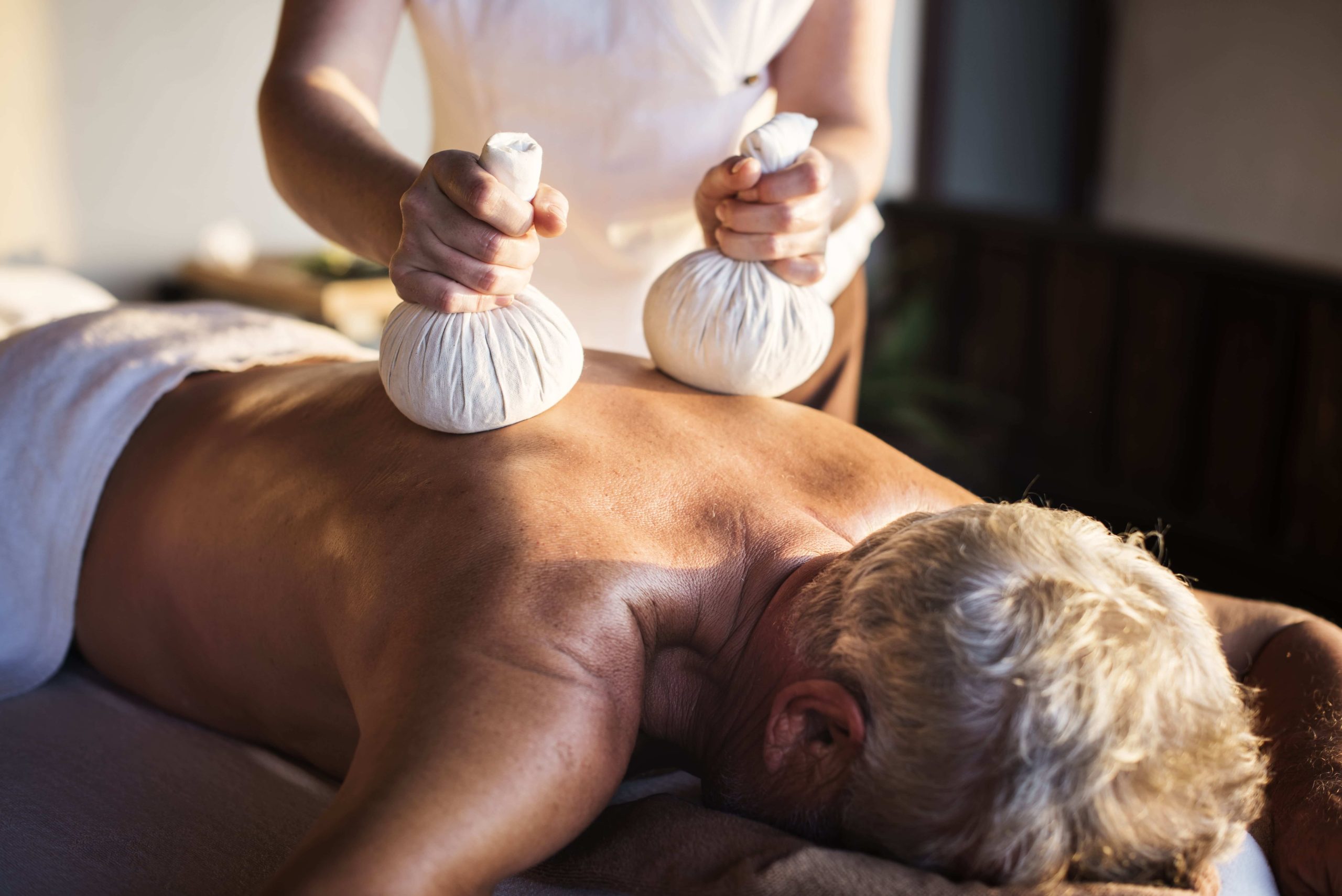
Introduction
Massage therapy is not one-size-fits-all. Every person’s body, lifestyle, and health goals are unique and so are the massage techniques designed to support them. That’s why understanding the differences between Swedish, Deep Tissue, and Medical Massage matters. Each method serves a distinct purpose, and choosing the right one can significantly impact results.
While all three types involve hands-on care, their application, depth of pressure, and outcomes differ based on whether someone needs stress relief, chronic tension release, or support after injury. Knowing what each technique offers can help guide more informed wellness choices.
Swedish Massage: Relaxation and Circulation Support
Swedish massage is often considered the foundation of modern massage therapy. It uses long, flowing strokes with light to moderate pressure to relax the body and calm the nervous system. This style is ideal for easing general tension, promoting circulation, and creating a deep sense of tranquility.
Swedish massage is particularly helpful for:
- Reducing stress and anxiety
- Improving blood flow to muscles and skin
- Supporting restful sleep
- Encouraging lymphatic movement for detox
- Providing gentle relief without intense pressure
It’s a great starting point for those new to massage or anyone seeking emotional balance and overall relaxation.
Deep Tissue Massage: Releasing Chronic Tension and Knots
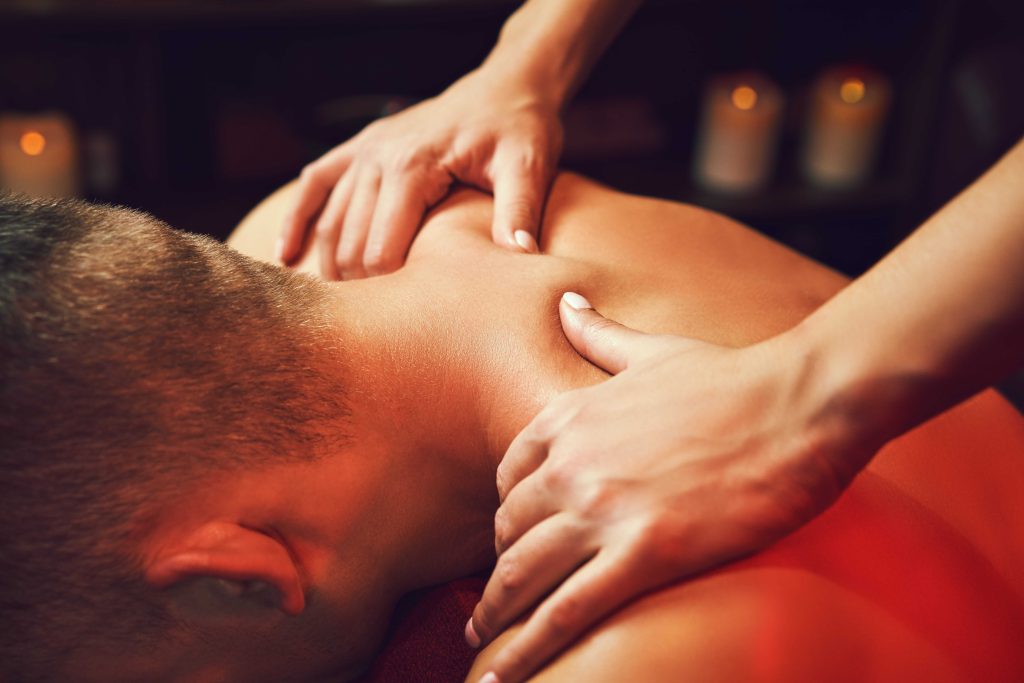
Unlike Swedish massage, Deep Tissue therapy targets the deeper layers of muscle and connective tissue. The strokes are slower and use more concentrated pressure to break down adhesions, scar tissue, or chronic tightness that restricts movement.
Deep Tissue massage is most effective for:
- Easing long-standing stiffness or tightness
- Supporting recovery from repetitive strain
- Addressing postural imbalances
- Improving range of motion in specific muscle groups
- Helping athletes manage physical stress
This technique may feel intense at times, but it’s always tailored to personal comfort. The goal is to release deeply held tension, not to cause discomfort.
Medical Massage: Targeted Therapy for Specific Conditions
How to Medical massage is a therapeutic approach aimed at addressing diagnosed physical conditions. It goes beyond relaxation and into clinical treatment, often performed under referral or as part of a healthcare plan. Practitioners use specialized techniques to help with mobility issues, post-surgical recovery, injury healing, or chronic dysfunction.
Sessions may focus on just one area of the body like the neck, lower back, or hips and may be adapted as the body responds to treatment. Medical massage helps reduce pain, restore function, and improve quality of life when mobility or tissue health is compromised.
This style of care is especially helpful for individuals recovering from trauma, dealing with joint issues, or managing long-term physical conditions like sciatica or frozen shoulder.
Choose the Right Type of Massage
Deciding which massage is right depends on personal health goals, sensitivity to pressure, and physical needs. For general relaxation and nervous system support, Swedish massage is often the best fit. If muscle tension feels stubborn or chronic, Deep Tissue might offer deeper relief. Those with medical conditions, post-surgery recovery, or injury history may benefit from more targeted Medical Massage care.
What to consider when choosing:
- Current symptoms and discomfort
- Activity level or athletic training
- Stress levels and sleep quality
- History of injury, mobility, or tension patterns
It’s also okay to try different styles and adjust based on how the body responds. The practitioner’s role is to guide, listen, and personalize the session based on changing needs.
How These Techniques Work Together in Holistic Care
At Tolpa Holistic Health, these massage techniques are not isolated they’re integrated into whole-body wellness plans. A person may begin with Swedish massage to ease stress, shift into Deep Tissue for targeted muscle work, or incorporate Medical Massage after injury. It’s the flexibility and intention behind each technique that makes the difference.
Therapeutic massage is often paired with acupuncture, functional medicine, or cupping to enhance results. When the body is approached from multiple directions structure, circulation, nervous system the healing effects become more consistent and long-lasting.
Why Choose Tolpa Holistic Health for Massage Therapy?
Massage therapy at Tolpa Holistic Health is about more than choosing between Swedish, Deep Tissue, or Medical it’s about finding what works for the whole person. Each practitioner is trained to deliver clinical results while honoring the emotional and energetic aspects of care. Whether you’re seeking relaxation or targeted relief, our clinic is recognized for offering the best massages in Charlotte NC explore our services to find your perfect match.
With a calming setting, personalized sessions, and a team that values long-term wellness, the massage therapy program supports balance, relief, and deeper connection to the body.
FAQs About Massage Therapy
Ready to Discover What Your Body Responds To Best?
Choosing the right type of massage doesn’t have to be confusing. Whether relaxation, pain relief, or functional healing is the goal, there’s a method and a practitioner ready to support the journey.


