
Introduction
Hip and pelvic pain can interfere with movement, limit flexibility, and make even simple activities uncomfortable. These areas are central to posture, walking, and core stability, so when pain develops, it can impact the entire body. Discomfort often stems from muscle tightness, postural strain, injuries, or referred pain from the lower back. Over time, the tension can spread, creating additional pain patterns in the legs, lower back, and even the abdominal region. Addressing the root cause rather than just masking symptoms is essential for long-term relief.
Common Causes of Hip and Pelvic Pain
Several factors can contribute to ongoing discomfort in these regions. Repetitive movement, prolonged sitting, and muscle imbalances are among the most common. Sports injuries, pregnancy-related changes, and postural strain from standing or sitting incorrectly can also play a role. Some individuals experience pelvic pain as part of a larger pattern of lower back issues, where the muscles overcompensate to stabilize the body. Left untreated, these conditions can become chronic, limiting mobility and quality of life.
How Dry Needling Works for the Hip and Pelvic Region
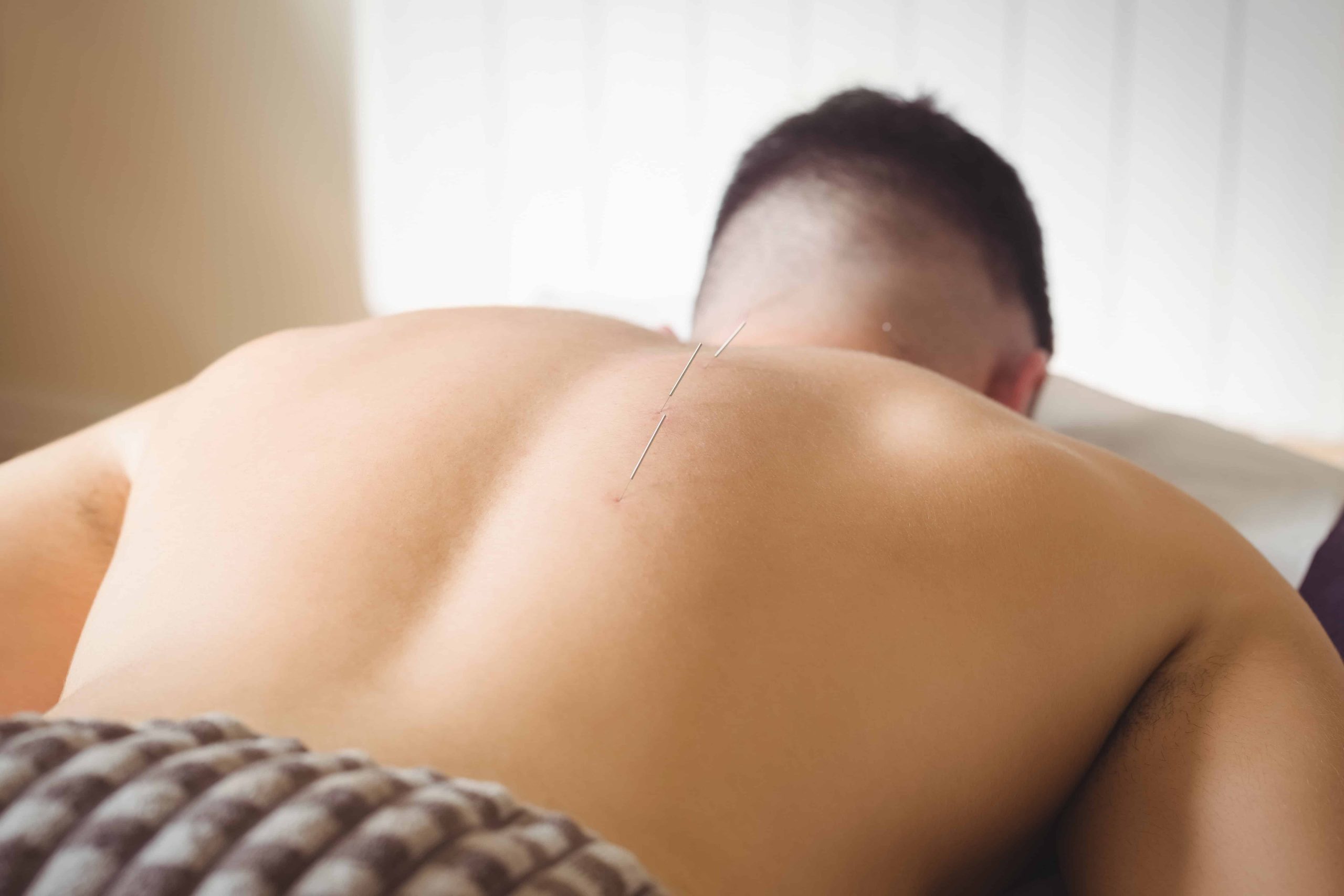
Dry needling is a targeted therapy designed to release tight muscle bands, known as trigger points, that contribute to hip and pelvic pain. Using fine, sterile needles, a practitioner stimulates specific points in the muscles to reduce tension and improve blood flow. This process helps normalize muscle tone, improve flexibility, and reduce referred pain. For the hip and pelvic region, dry needling often addresses deep, hard-to-reach muscles that are difficult to target with stretching or massage alone. The result is not only symptom relief but also improved muscle function for better movement and stability. For a deeper dive into how dry needling targets muscle tension at the source, read our guide on Understanding Trigger Point Dry Needling.
Muscles Commonly Treated in the Hip and Pelvic Area
- Gluteus medius and minimus – Often tight from prolonged sitting or overuse during sports
- Piriformis – A common source of sciatic-like pain when irritated
- Hip flexors (iliopsoas) – Tight from long periods of sitting or repetitive running
- Adductors – Can contribute to pelvic discomfort and groin strain
- Pelvic floor muscles – Involved in core stability and often tense from injury or childbirth
Benefits of Dry Needling for Hip and Pelvic Pain
One of the primary advantages of dry needling is its ability to reach and release deep-seated muscle tension. This can result in significant pain reduction and an increase in range of motion. Improved muscle function also supports better posture, reducing the likelihood of recurring pain. Athletes often notice enhanced performance as flexibility returns, while individuals with chronic tension find relief that allows them to move more freely. Another benefit is the technique’s ability to complement other treatments, such as strengthening exercises and postural retraining, creating a more complete recovery plan.
Conditions That Respond Well to Dry Needling in This Region
- Hip bursitis – Inflammation around the hip joint causing pain and stiffness
- Pelvic floor dysfunction – Discomfort, tightness, or instability in pelvic muscles
- Piriformis syndrome – Compression of the sciatic nerve by a tight piriformis muscle
- Postpartum pelvic pain – Muscle tension and instability after childbirth
- Sports-related hip injuries – Strains and overuse conditions in runners, dancers, or athletes
When to Consider Dry Needling for Hip and Pelvic Pain
Dry needling may be worth exploring if pain persists despite stretching, foam rolling, or massage. It is also beneficial for those who experience recurring hip strain during sports or daily activities. Individuals who notice weakness, instability, or difficulty performing certain movements due to pain may benefit from a targeted treatment plan. In many cases, earlier intervention leads to faster results, as untreated tension can lead to compensation patterns that create new areas of discomfort.
Combining Dry Needling with Holistic Care
While dry needling can provide rapid relief, its long-term effectiveness increases when combined with holistic care. Strengthening surrounding muscles, improving posture, and incorporating mobility exercises can help maintain results. Stress management and recovery-focused practices, such as stretching routines, targeted strengthening, and hydration, also support muscle health. A complete plan considers both immediate pain relief and future prevention, giving the body the best chance for sustained mobility and comfort.

FAQs About Dry Needling
Yes, when performed by a trained professional, dry needling is a safe and effective technique. The needles are sterile and single-use, and the procedure is targeted to specific muscle groups.
Many people notice improvement after just one or two sessions, but lasting relief often requires multiple treatments depending on the severity and cause of the pain.
Yes, postpartum pelvic pain often involves muscle tension and instability that dry needling can help address, especially when paired with strengthening exercises.
You may feel a brief muscle twitch or mild soreness after treatment, but most people find it tolerable and worth the relief it provides.
Dry needling works best as part of a broader plan, often complementing physical therapy, chiropractic care, and targeted exercise for long-term improvement.
Conclusion
Hip and pelvic pain can affect everything from walking to sitting comfortably, but relief is possible through targeted techniques like dry needling. By addressing deep muscle tension and restoring healthy movement patterns, this approach can help improve flexibility, reduce discomfort, and prevent recurring pain.


