
Introduction
Athletes and active individuals know that injuries are an inevitable part of pushing the body to its limits. Whether it’s muscle strains, tendon injuries, or joint pain, finding a treatment that promotes healing without extended downtime is key.
That’s where shockwave therapy comes in.
This non-invasive, FDA-approved treatment is revolutionizing sports injury recovery. It stimulates the body’s natural healing process, reduces pain, and gets athletes back in action faster.
Is shockwave therapy the right choice for your sports injury? Let’s dive into the benefits, process, and why more athletes are turning to this cutting-edge treatment.
Common Sports Injuries Treated with Shockwave Therapy
Athletes put their bodies through high-intensity training, repetitive movements, and sudden impact, leading to various injuries. Shockwave therapy effectively treats:
● Tendonitis & Tendinopathy – Common in shoulders, knees, and elbows (like tennis elbow & jumper’s knee).
● Plantar Fasciitis – Heel pain due to overuse or improper foot mechanics.
● Shin Splints & Stress Fractures – Overuse injuries common in runners.
● Muscle Strains & Tears – Accelerates healing of pulled muscles.
● Rotator Cuff Injuries – Shoulder pain caused by repetitive overhead motion.
● Hip & Groin Injuries – Common in soccer players and runners.
● Achilles Tendon Pain – Helps heal chronic Achilles tendon injuries.
If your sports injury isn’t healing as expected, shockwave therapy could be the missing piece of your recovery plan.
How Shockwave Therapy Speeds Up Sports Injury Recovery
For a deeper look at how this therapy enhances mobility and joint function, explore Shockwave Therapy for Joint Pain & Mobility. This boosts circulation, breaks down scar tissue, and accelerates tissue repair.
● Increases Blood Flow – Delivers oxygen and nutrients to injured tissues.
● Breaks Down Scar Tissue – Prevents chronic stiffness and pain.
● Reduces Inflammation – Helps with swelling and discomfort.
● Stimulates Collagen Production – Strengthens tendons and ligaments.
Unlike painkillers or steroid injections, shockwave therapy treats the root cause of the injury, not just the symptoms.
Benefits of Shockwave Therapy for Athletes
- Non-Invasive & No Downtime – No surgery or prolonged rest needed.
- Fast Recovery – Helps athletes get back to training sooner.
- Drug-Free Pain Relief – Avoid reliance on painkillers.
- Prevents Chronic Injuries – Treats injuries before they worsen.
- Works with Other Therapies – Complements physical therapy & chiropractic care.
Most athletes notice improvement after just a few sessions!
What to Expect During a Shockwave Therapy Session
At Tolpa Holistic Health in Charlotte, NC, we provide customized shockwave therapy sessions tailored to each athlete’s needs..
- Evaluation – Our experts assess your injury and movement patterns.
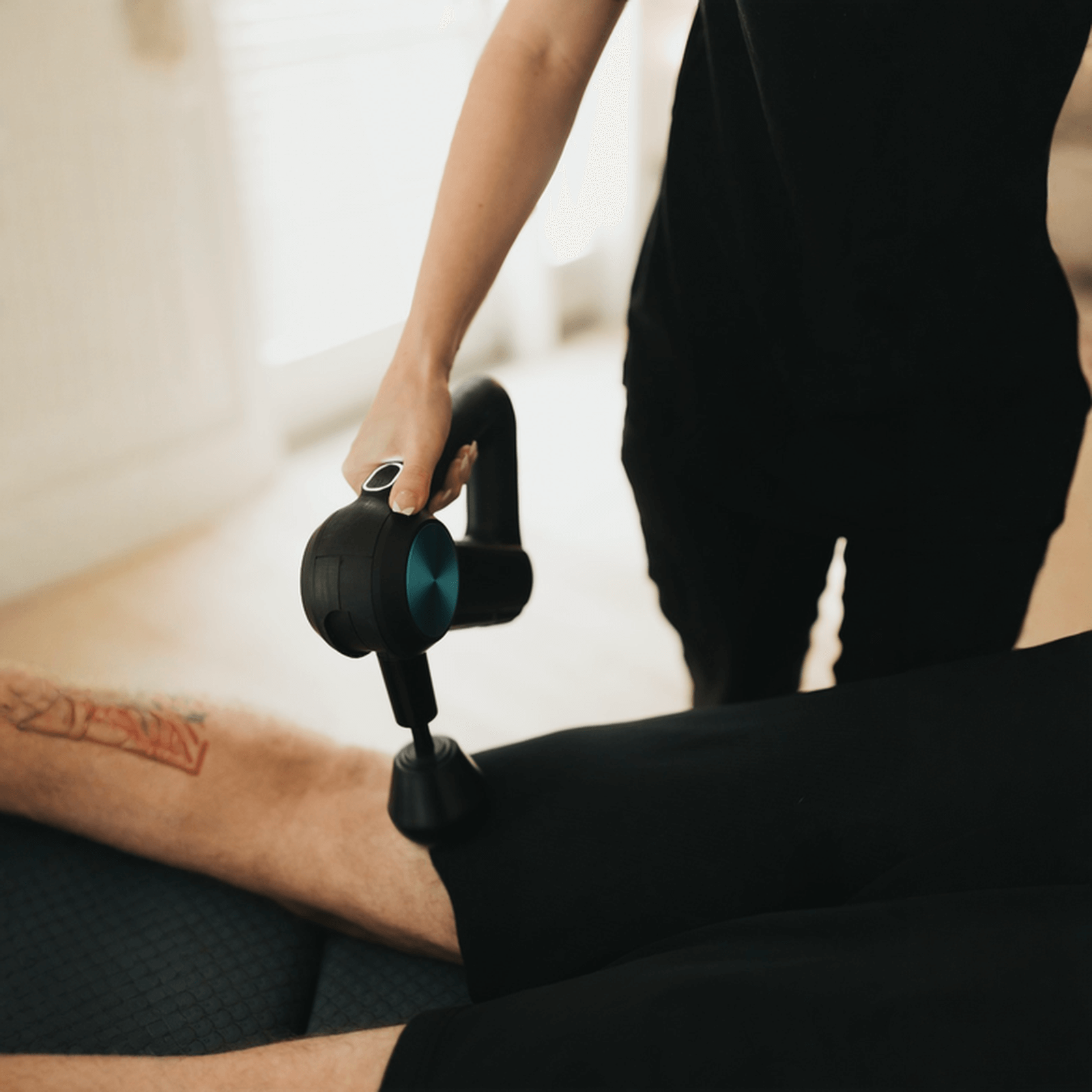
- Treatment – A handheld device delivers targeted shockwaves to the affected area.
- Recovery – Most patients feel relief within a few sessions.
No downtime required—get treated and continue your training with minimal disruption!
Who Can Benefit from Shockwave Therapy?
● Athletes recovering from injuries – Get back in the game faster.
● Fitness enthusiasts – Avoid long-term setbacks.
● Runners, cyclists, and weightlifters – Heal chronic overuse injuries.
●Anyone with slow-healing injuries – Speed up natural recovery.
If you’re an active individual dealing with persistent pain, shockwave therapy could be the solution you need.
Why Choose Tolpa Holistic Health for Shockwave Therapy?
- Led by Dr. Sydnee Tolpa – A trusted expert in sports injury recovery.
- Customized treatment plans tailored to each athlete’s condition.
- Cutting-edge shockwave therapy technology for maximum effectiveness. effectiveness.
- A holistic approach combining chiropractic care & functional medicine.
Looking for “shockwave therapy near me” in Charlotte, NC? We’re here to help!

Frequently Asked Questions (FAQs)
Most athletes need 3-5 sessions for full recovery, depending on the severity of the injury.
The treatment feels like mild pulsations; most patients find it comfortable.
Most patients can resume training within days with noticeable improvement.
Coverage varies; we recommend checking with your provider for details.
Most patients need 3-5 sessions for optimal relief.


