
Introduction
Hip flexors are small but mighty muscles that quietly support countless movements every day. From walking and climbing stairs to bending over and standing upright, they help maintain posture and mobility. Yet, for many people, these muscles remain in a constant state of tension, creating discomfort that extends far beyond the hips. Whether it’s due to hours spent sitting at a desk or repetitive strain from running, tight hip flexors can impact how the entire body functions. Understanding why they tighten and how to release them is the first step toward lasting relief.
What Causes Hip Flexor Tightness
Hip flexors often tighten because of repetitive strain or prolonged inactivity. Sitting for long hours keeps them in a shortened position, signaling the body to adapt by holding that tightness even when standing or moving. Athletes can also experience chronic tension when these muscles are overused during running, cycling, or sports that involve quick directional changes. Muscle imbalances, such as weak glutes or a stiff lower back, add extra strain to the hip flexors. Over time, this combination of factors limits movement and can trigger discomfort in other parts of the body.
Signs and Symptoms of Tight Hip Flexors
Tight hip flexors aren’t always obvious at first, but their effects become more noticeable over time. Common signs include a dull ache in the front of the hip, especially when standing after sitting for long periods. Some people feel stiffness when trying to straighten up or extend the leg behind them. Lower back pain can also appear as tight hip flexors pull the pelvis forward, changing spinal alignment. Reduced hip mobility and difficulty with movements like lunges or squats are other indicators that these muscles may be holding excess tension.
How Tight Hip Flexors Affect the Rest of the Body
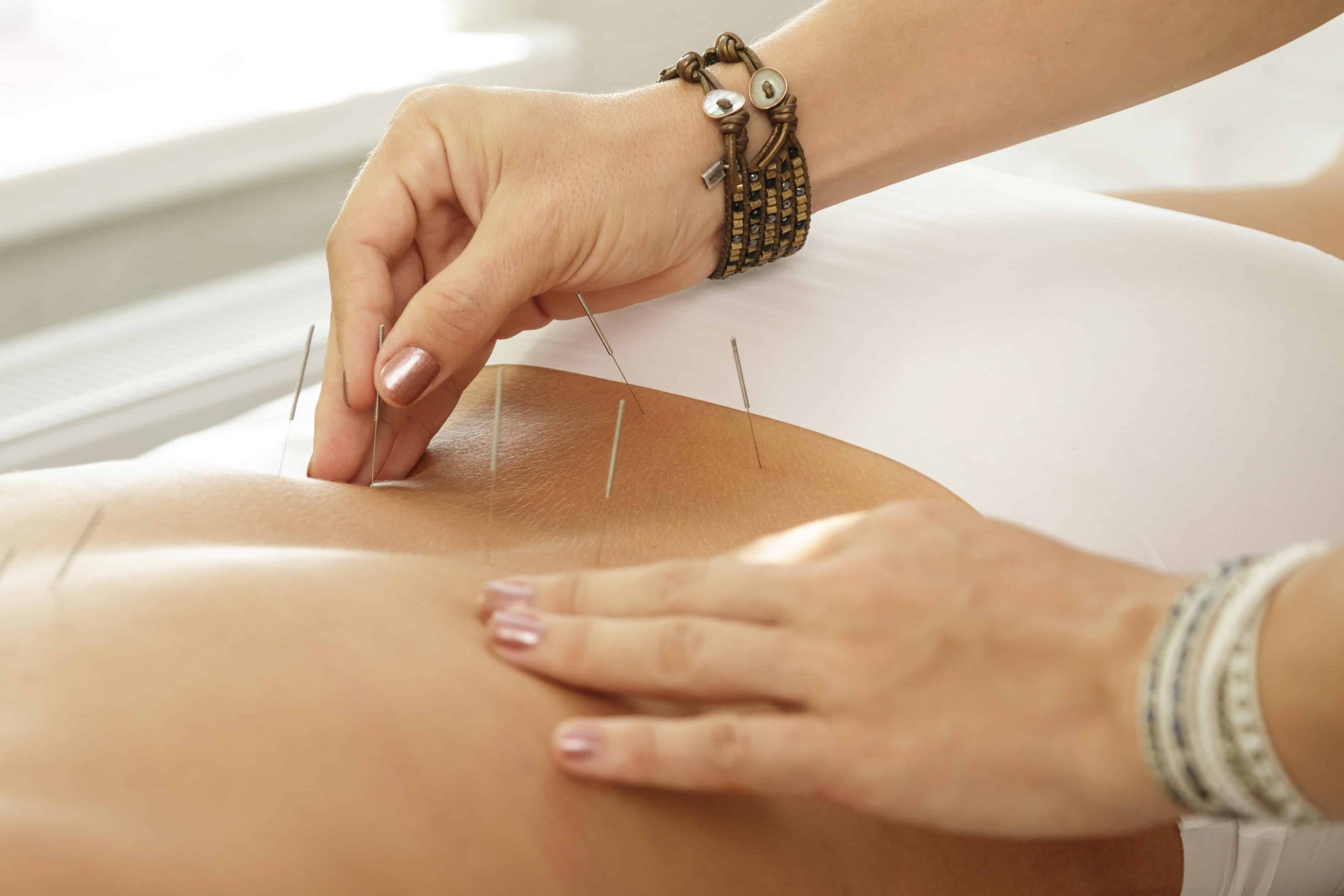
Hip flexors connect the upper and lower body, so tension in these muscles can influence far more than hip comfort. A forward-tilted pelvis caused by tightness can place extra pressure on the lower back, leading to discomfort or pain during daily activities. This imbalance also affects gait, creating uneven pressure on knees and ankles. Over time, the body compensates by engaging other muscles in ways they weren’t designed for, increasing the risk of strains or overuse injuries. This imbalance can also contribute to knee pain, especially for runners learn more about how targeted therapies like dry needling address running-related knee issues to restore alignment. The ripple effect of tight hip flexors is why they’re often linked to broader mobility challenges.
Long-Term Risks of Ignoring Hip Flexor Tightness
Leaving hip flexor tightness unaddressed can create ongoing pain and movement limitations. Postural changes, such as an exaggerated lower back curve, can strain joints and muscles over time. Athletes may experience decreased performance, as restricted hip mobility limits stride length and power. Chronic tension also raises the likelihood of injuries, particularly in the lower back, hamstrings, and knees. Even simple daily movements like bending, lifting, or walking upstairs can become uncomfortable when hip flexors remain tight for months or years.
Effective Ways to Release Hip Flexors
- Dynamic stretches before activity to prepare the muscles for movement.
- Static stretches after workouts to gradually lengthen tight fibers.
- Foam rolling to release deep-seated tension in the hip and thigh area.
- Yoga poses such as low lunge and pigeon pose to improve flexibility.
Strengthening Exercises to Prevent Tightness
- Glute bridges to balance hip strength and reduce strain on the flexors.
- Lunges with hip extension to activate supporting muscles.
- Core stability work to support proper pelvic alignment.
- Hip mobility drills to maintain a healthy range of motion.
When Professional Care Can Help
FAQs About Dry Needling
Chronic tightness may come from muscle imbalances, poor posture, or repetitive strain that stretching alone can’t correct. Strengthening and mobility work are often needed alongside stretching.
Yes. Prolonged sitting keeps the hip flexors in a shortened position, signaling the body to hold that tightness even when standing or walking.
Tight hip flexors can tilt the pelvis forward, increasing stress on the lower back and contributing to discomfort or stiffness.
This depends on the severity of the tightness and how consistently you address it. Some people notice improvement in a few weeks with regular mobility and strengthening exercises.
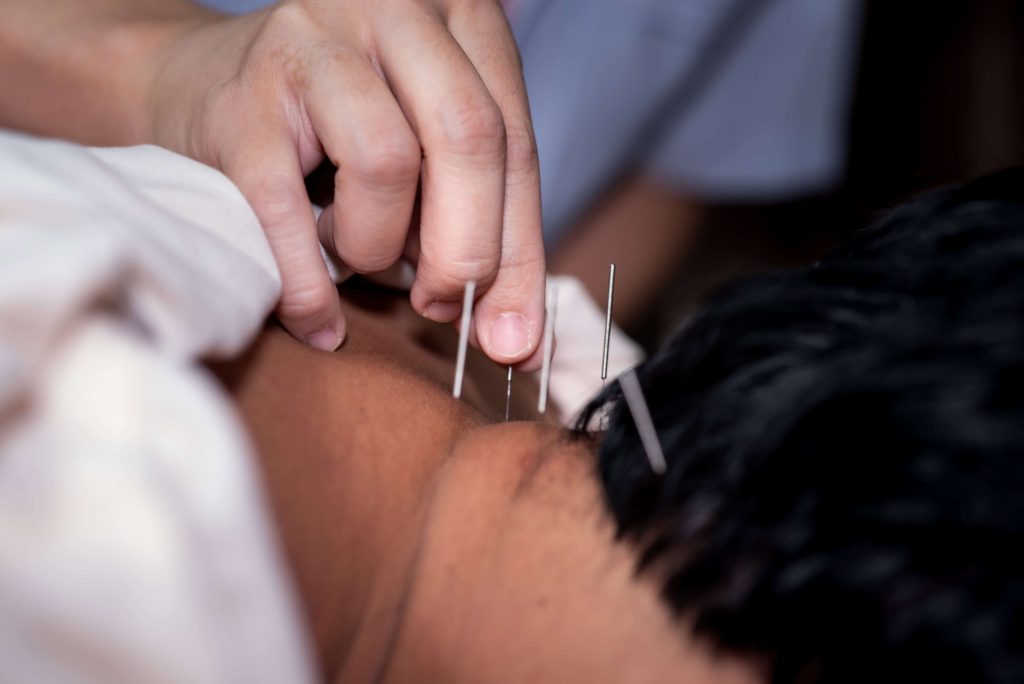
If pain persists, limits daily activities, or affects other areas like the lower back or knees, professional assessment and treatment are recommended.
Conclusion
Tight hip flexors can limit movement, cause discomfort, and create a chain reaction of imbalances throughout the body. By understanding the causes, recognizing the signs, and combining stretching with strengthening, it’s possible to restore balance and mobility. For long-lasting results, professional care can address deeper issues and help prevent future problems.


